
Back to ResourcesPancreas
What is Pancreatoduodenectomy?
Health education · AI-assisted
Dr. Vishu Jain•November 14, 2026•14 views
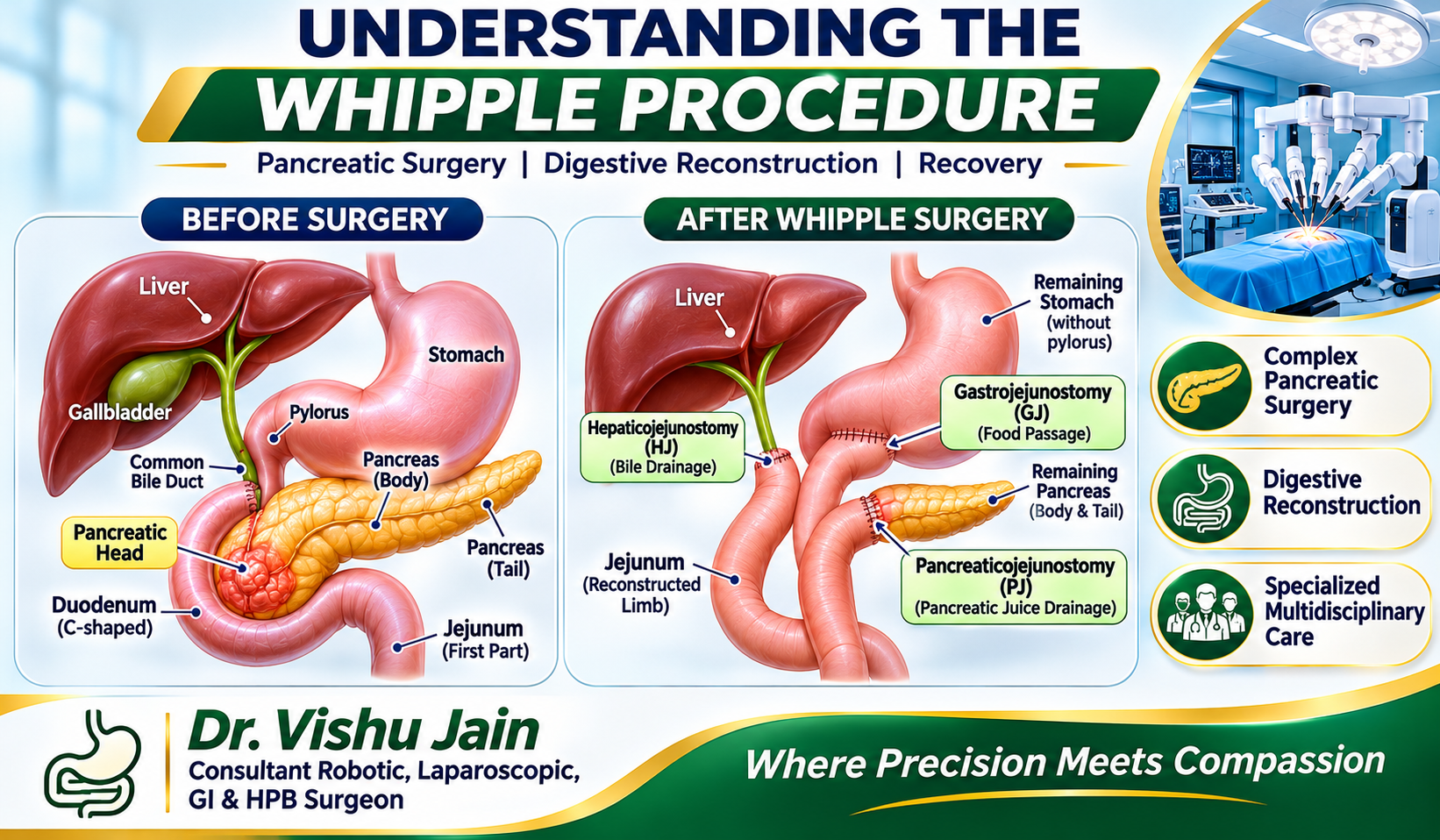
Pancreatoduodenectomy: Understanding the Procedure
Pancreatoduodenectomy, often called the Whipple procedure, is a complex surgical operation aimed at treating conditions affecting the pancreas and surrounding structures. This article provides a comprehensive overview of pancreatoduodenectomy, including its purpose, procedure, and what patients can expect before and after surgery.
Pancreatoduodenectomy is a surgical procedure that involves the removal of the head of the pancreas, part of the small intestine (duodenum), the gallbladder, and sometimes part of the stomach. This operation is primarily performed to treat pancreatic cancer, but it can also be used for other conditions such as chronic pancreatitis and tumors of the bile duct or duodenum.
Why is Pancreatoduodenectomy Used?
The primary goal of pancreatoduodenectomy is to remove cancerous tumors from the pancreas and nearby organs. By removing the affected tissues, the procedure aims to prevent the spread of cancer and improve the patient's quality of life. It is also used to alleviate symptoms caused by benign conditions that affect the pancreas and surrounding areas.
When is Pancreatoduodenectomy Recommended?
Pancreatoduodenectomy is recommended for patients diagnosed with:
- Pancreatic cancer: Especially when the tumor is located in the head of the pancreas.
- Bile duct cancer: When the tumor is near the pancreas.
- Duodenal cancer: Affecting the first part of the small intestine.
- Chronic pancreatitis: In cases where inflammation causes severe pain or complications.
When is Pancreatoduodenectomy Not Appropriate?
This procedure may not be suitable for patients with:
- Advanced cancer that has spread to other parts of the body.
- Poor overall health or other medical conditions that increase surgical risks.
- Tumors that are not resectable due to location or involvement with major blood vessels.
How Does Pancreatoduodenectomy Work?
During a pancreatoduodenectomy, the surgeon makes an incision in the abdomen to access the pancreas and surrounding organs. The head of the pancreas, part of the duodenum, the gallbladder, and sometimes part of the stomach are removed. The remaining sections of the digestive system are then reconnected to allow normal digestion.
What Happens During the Procedure?
1. Anesthesia: The patient is put under general anesthesia.
2. Incision: A large incision is made in the abdomen.
3. Resection: The head of the pancreas and other affected tissues are removed.
4. Reconstruction: The digestive tract is reconstructed to maintain function.
5. Closure: The incision is closed with sutures or staples.
Preparation for Pancreatoduodenectomy
Patients preparing for pancreatoduodenectomy should:
- Undergo preoperative assessments, including imaging tests and blood work.
- Discuss any medications with their doctor, as some may need to be stopped before surgery.
- Follow specific dietary instructions provided by their healthcare team.
Risks and Complications
As with any major surgery, pancreatoduodenectomy carries potential risks, including:
- Infection
- Bleeding
- Delayed gastric emptying
- Leakage from the surgical connections
- Diabetes, if a significant portion of the pancreas is removed
What to Expect After Surgery
Recovery from pancreatoduodenectomy involves a hospital stay of around one to two weeks. Patients may experience discomfort and will need to gradually resume eating. Follow-up appointments are crucial to monitor recovery and manage any complications.
Expected Outcomes
While pancreatoduodenectomy is a major operation, it can significantly improve survival rates for patients with pancreatic cancer and alleviate symptoms of non-cancerous conditions. Long-term outcomes depend on the underlying condition and the patient's overall health.
Alternatives to Pancreatoduodenectomy
For some patients, alternative treatments like chemotherapy, radiation therapy, or less invasive surgical procedures may be considered, depending on the specific condition and its stage.
About Dr. Vishu Jain
Dr. Vishu Jain is a Consultant in GI, HPB, Laparoscopic, and Liver Transplant Surgery with extensive experience in performing complex gastrointestinal procedures. His expertise in minimally invasive and robotic surgery enhances patient outcomes in gastrointestinal treatments.
Consultation and Next Steps
If you are considering pancreatoduodenectomy, consult a specialist to discuss your options and determine the best course of action for your condition.
1. How long does the surgery take?
The surgery typically lasts between 5 to 8 hours, depending on the complexity of the case.
2. What is the recovery time after pancreatoduodenectomy?
Full recovery can take several months, with hospital discharge usually occurring within two weeks post-surgery.
3. Are there dietary restrictions after the procedure?
Yes, patients will need to follow a specific diet, gradually reintroducing foods as tolerated.
4. Can pancreatoduodenectomy cure pancreatic cancer?
While it can remove localized tumors, the overall prognosis depends on various factors, including cancer stage and patient's health.
5. Is pancreatoduodenectomy suitable for everyone with pancreatic cancer?
No, it is only recommended for patients with resectable tumors and good overall health.
Visit Dr. Vishu Jain
Gastrocare Hospital, Main Rd No. 3, near Personal Branch SBI, E-3, Arera Colony, Bhopal, Madhya Pradesh, 462016
Phone: 7838948761
WhatsApp: 7838948761
Email: dr.vishujain@gmail.com
Clinic Location & Consultation Information
## Visit Dr. Vishu Jain
Main Rd No. 3, near Personal Branch SBI, E-3, Arera Colony, Bhopal, Madhya Pradesh, 462016
Phone: 7838948761
WhatsApp: 7838948761
Email: dr.vishujain@gmail.com
Ready to book an appointment?
Consult with Dr. Vishu Jain.
Book an appointmentMore articles
Understanding Laparoscopic Esophagectomy
Laparoscopic esophagectomy is a minimally invasive surgical procedure used to remove part or all of the esophagus, often due to cancer or severe damage. Th
Read more →Spotting the Signs: When to Consult a Gastroenterologist for Your Health
Learn when to consult a gastroenterologist for persistent acidity, abdominal pain, bloating, blood in stool, jaundice, or unexplained weight loss.
Read more →What Is Laparoscopic Gastrectomy?
Learn what laparoscopic gastrectomy is, how minimally invasive stomach removal surgery is performed, its benefits, risks, and recovery process.
Read more →What is a Liver Transplant?
A liver transplant is a surgical procedure that involves replacing a diseased liver with a healthy one from a donor. This treatment is often recommended fo
Read more →