What is Laparoscopic Esophagectomy?
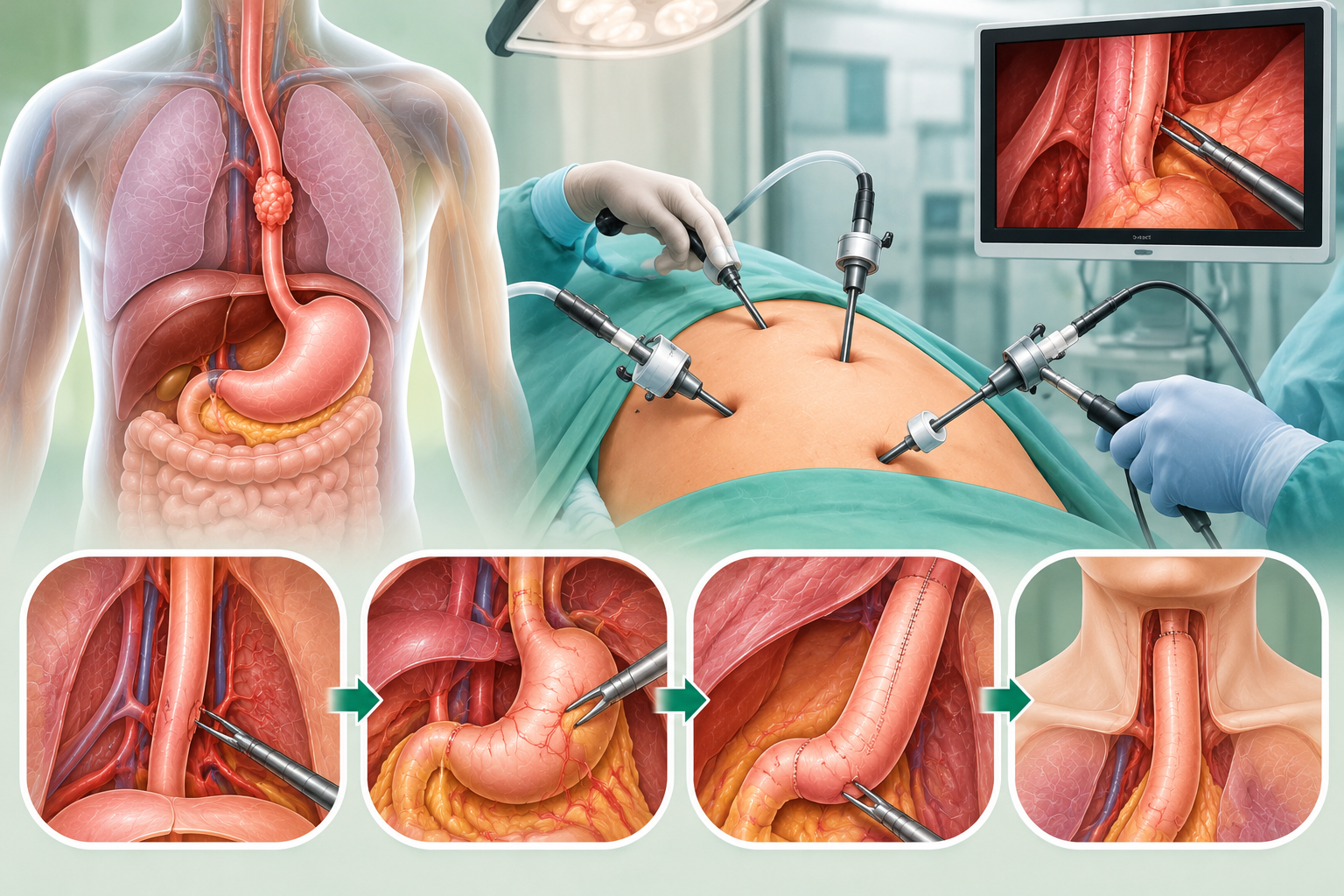
Laparoscopic esophagectomy is a minimally invasive surgical procedure used to remove part or all of the esophagus, often due to cancer or severe damage. This approach involves small incisions and the use of a camera to guide the surgery, reducing recovery time and minimizing scarring compared to traditional open surgery.
Why is Laparoscopic Esophagectomy Used?
This procedure is primarily used to treat esophageal cancer, but it may also be recommended for severe esophageal damage from conditions like Barrett's esophagus or achalasia. The minimally invasive nature of the surgery allows for a quicker recovery and less postoperative discomfort.
When is Laparoscopic Esophagectomy Recommended?
Laparoscopic esophagectomy is recommended for patients with early-stage esophageal cancer or those who have not responded to other treatments. The decision to proceed with this surgery depends on the patient's overall health and the extent of the disease.
When is Laparoscopic Esophagectomy Not Appropriate?
This procedure may not be suitable for patients with advanced cancer that has spread beyond the esophagus or those with significant health issues that increase surgical risk. A thorough evaluation by a healthcare provider is necessary to determine eligibility.
How Does Laparoscopic Esophagectomy Work?
During the procedure, several small incisions are made in the abdomen and chest. A laparoscope, which is a thin tube with a camera, is inserted to provide a view of the surgical area. The surgeon then removes the affected part of the esophagus and may reconstruct the digestive tract using part of the stomach or intestine.
What Happens During the Procedure?
The surgery typically involves general anesthesia and can take several hours. The surgeon carefully removes the diseased portion of the esophagus and reconstructs the gastrointestinal tract to restore function. Patients usually stay in the hospital for several days for monitoring and recovery.
Preparation for Laparoscopic Esophagectomy
Patients may need to undergo several preoperative tests, including imaging studies and blood work. Fasting is usually required before surgery, and specific instructions regarding medications will be provided by the healthcare team.
Risks and Complications
As with any surgery, there are risks involved, including infection, bleeding, and complications related to anesthesia. Specific to esophagectomy, risks include leakage at the surgical connection and respiratory issues. Discussing these risks with a healthcare provider is crucial.
What to Expect After Surgery
Recovery involves a hospital stay where patients receive pain management and nutritional support. Gradual reintroduction of eating and physical activity is part of the recovery process. Follow-up appointments are essential to monitor healing and address any concerns.
Expected Outcomes
While outcomes can vary, many patients experience significant relief from symptoms and improved quality of life post-surgery. Regular follow-up is necessary to ensure the success of the procedure and manage any long-term effects.
Alternatives to Laparoscopic Esophagectomy
Alternatives may include other surgical techniques, endoscopic treatments, or chemotherapy and radiation, depending on the specific case. A healthcare provider can offer guidance on the most appropriate treatment options.
About Dr. Vishu Jain
Dr. Vishu Jain is a Consultant in GI, HPB, Laparoscopic, and Liver transplant surgery, with a decade of experience. His expertise in minimally invasive and robotic surgery enhances outcomes for gastrointestinal procedures.
Consultation and Next Steps
For those considering laparoscopic esophagectomy, a detailed consultation with a specialist is essential to discuss the procedure, potential benefits, and risks.
1. How long is the recovery period after a laparoscopic esophagectomy?
Recovery can vary, but patients often spend several days in the hospital and may take several weeks to months to fully recover at home.
2. Can laparoscopic esophagectomy be performed for benign conditions?
Yes, it can be used for severe cases of benign esophageal conditions when other treatments have failed.
3. What are the dietary restrictions post-surgery?
Patients typically start with a liquid diet and gradually progress to soft foods, following specific dietary guidelines provided by their healthcare team.
4. Is laparoscopic esophagectomy painful?
Pain is managed with medication, and the minimally invasive approach generally results in less postoperative discomfort compared to open surgery.
5. How do I know if I'm a candidate for this surgery?
A thorough evaluation by a healthcare provider will determine if laparoscopic esophagectomy is suitable based on the patient's condition and overall health.
Visit Dr. Vishu Jain
Main Rd No. 3, near Personal Branch SBI, E-3, Arera Colony, Bhopal, Madhya Pradesh, 462016
Phone: 7838948761
WhatsApp: 7838948761
Email: dr.vishujain@gmail.com
Ready to book an appointment?
Consult with Dr. Vishu Jain.
Book an appointment