
Back to ResourcesLiver
What is a Liver Transplant?
Health education · AI-assisted
Dr. Vishu Jain•November 22, 2026•3 views
Understanding Liver Transplant: Procedure, Benefits, and Considerations
A liver transplant is a surgical procedure that involves replacing a diseased liver with a healthy one from a donor. This treatment is often recommended for patients with end-stage liver disease or acute liver failure. In this comprehensive guide, we will explore the intricacies of liver transplant surgery, its indications, the procedure itself, and what patients can expect before, during, and after the operation.
A liver transplant, also known as hepatic transplantation, is a life-saving surgical intervention for individuals suffering from severe liver dysfunction. The liver is crucial for detoxifying the blood, producing essential proteins, and aiding digestion. When it fails, a transplant may be the only viable option.
Why is a Liver Transplant Used?
Liver transplants are primarily used to treat chronic liver diseases that have progressed to the point of liver failure. Common conditions that may necessitate a transplant include:
- Cirrhosis: Often caused by chronic hepatitis or alcohol abuse.
- Liver Cancer: When cancer is confined to the liver and cannot be surgically removed.
- Acute Liver Failure: Sudden loss of liver function, often due to drug-induced injury or viral hepatitis.
When is a Liver Transplant Recommended?
A liver transplant is recommended when all other treatments have failed and the patient's liver is no longer able to support life. The decision is based on a thorough evaluation by a multidisciplinary team, considering factors such as the severity of liver disease, overall health, and potential for recovery.
When is a Liver Transplant Not Appropriate?
Not all patients are suitable candidates for a liver transplant. It may not be appropriate for individuals with:
- Severe heart or lung disease
- Active substance abuse issues
- Infections that cannot be controlled
- Uncontrolled metastatic cancer
How Does a Liver Transplant Work?
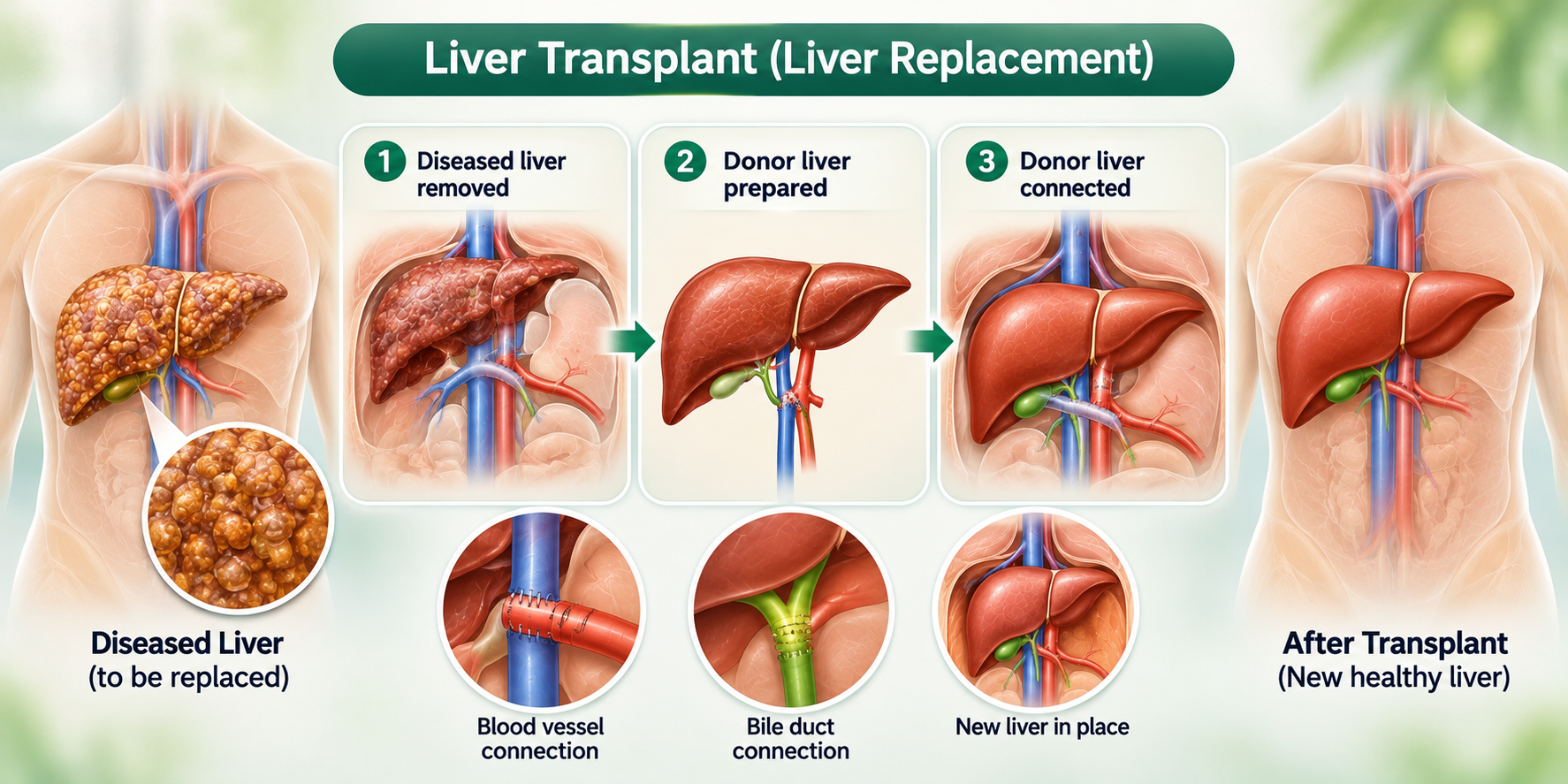
The liver transplant process begins with finding a suitable donor. This can be a deceased donor or, in some cases, a living donor who donates a portion of their liver. During the surgery, the diseased liver is removed, and the donor liver is implanted in its place. The new liver typically begins functioning immediately, but the patient will require lifelong immunosuppressive medication to prevent rejection.
What Happens During a Liver Transplant?
The surgery is performed under general anesthesia and can take several hours. The surgeon makes an incision in the abdomen, removes the diseased liver, and attaches the donor liver to the patient's blood vessels and bile ducts. After ensuring proper blood flow and bile production, the incision is closed.
Preparation for Liver Transplant
Preparation involves a series of evaluations to assess the patient's health and readiness for surgery. This includes blood tests, imaging studies, and consultations with various specialists. Patients are advised to maintain a healthy lifestyle, including a balanced diet and regular exercise, to optimize their condition before surgery.
Risks and Complications
As with any major surgery, liver transplants carry risks. These include:
- Bleeding
- Infection
- Rejection of the donor liver
- Complications from immunosuppressive medications
Close monitoring and regular follow-ups are essential to manage these risks effectively.
What to Expect After a Liver Transplant
Recovery from a liver transplant involves an initial hospital stay of 1-2 weeks, followed by several months of outpatient care. Patients need to take immunosuppressive medications to prevent rejection and attend regular check-ups to monitor liver function.
Outcomes of Liver Transplant
The success of a liver transplant depends on various factors, including the patient's health, the cause of liver failure, and adherence to post-operative care. Many patients experience significantly improved quality of life and long-term survival.
Alternatives to Liver Transplant
In some cases, alternative treatments may be considered, such as:
- Medication management for specific liver conditions
- Minimally invasive procedures to manage symptoms
- Lifestyle modifications to slow disease progression
About Dr. Vishu Jain
Dr. Vishu Jain is a consultant specializing in GI, HPB, laparoscopic, and liver transplant surgery. With 10 years of experience and expertise in minimally invasive and robotic surgery, Dr. Jain is committed to enhancing patient outcomes in gastrointestinal procedures.
Consultation and Next Steps
If you or a loved one is considering a liver transplant, it is crucial to consult with a specialist to understand the potential benefits and risks. Dr. Vishu Jain and his team are available to provide comprehensive evaluations and personalized care plans.
1. What is the average recovery time after a liver transplant?
Recovery time varies, but most patients can return to normal activities within 6-12 months, with regular follow-up care.
2. Can a living donor donate part of their liver?
Yes, living donors can donate a portion of their liver, which will regenerate over time.
3. What are the signs of liver transplant rejection?
Signs of rejection include fever, fatigue, jaundice, and changes in liver function tests. Immediate medical attention is necessary if these occur.
4. How is a donor liver matched to a recipient?
Matching is based on blood type, body size, and the severity of the recipient's condition.
5. Are there dietary restrictions after a liver transplant?
Patients are advised to follow a balanced diet, avoid alcohol, and limit foods high in salt and sugar to maintain liver health.
Visit Dr. Vishu Jain
Main Rd No. 3, near Personal Branch SBI, E-3, Arera Colony, Bhopal, Madhya Pradesh, 462016
Phone: 7838948761
WhatsApp: 7838948761
Email: dr.vishujain@gmail.com
Clinic Location & Consultation Information
## Visit Dr. Vishu Jain
Main Rd No. 3, near Personal Branch SBI, E-3, Arera Colony, Bhopal, Madhya Pradesh, 462016
Phone: 7838948761
WhatsApp: 7838948761
Email: dr.vishujain@gmail.com
More health resources
Read more articles from Dr. Vishu Jain.
Read relevant articlesMore articles
Understanding Laparoscopic Esophagectomy
Laparoscopic esophagectomy is a minimally invasive surgical procedure used to remove part or all of the esophagus, often due to cancer or severe damage. Th
Read more →Spotting the Signs: When to Consult a Gastroenterologist for Your Health
Learn when to consult a gastroenterologist for persistent acidity, abdominal pain, bloating, blood in stool, jaundice, or unexplained weight loss.
Read more →What Is Laparoscopic Gastrectomy?
Learn what laparoscopic gastrectomy is, how minimally invasive stomach removal surgery is performed, its benefits, risks, and recovery process.
Read more →Endoscopy Costs Demystified: What Should Patients Expect?
Understanding the financial aspects of medical procedures can be challenging, especially when it comes to endoscopy. This article aims to provide clarity o
Read more →