Laparoscopic Anterior Resection: Understanding the Procedure### Snippet:
Laparoscopic Anterior Resection is a minimally invasive surgical procedure aimed at removing part of the rectum affected by cancer or other diseases. This technique offers patients a quicker recovery time and less postoperative pain compared to traditional open surgery.
Hero:
Laparoscopic Anterior Resection is a keyhole surgery used primarily to treat rectal cancer. It involves the removal of the diseased section of the rectum while preserving the surrounding healthy tissue. This approach is favored for its benefits in reducing recovery time and minimizing surgical trauma.
Laparoscopic Anterior Resection is a minimally invasive surgical technique used to remove part of the rectum. This procedure is commonly performed to treat rectal cancer or other diseases affecting the lower part of the large intestine. By using small incisions and a camera, surgeons can operate with precision and minimal disruption to surrounding tissues.
Why is it Used?
The primary purpose of Laparoscopic Anterior Resection is to treat rectal cancer. It is also used for conditions such as diverticulitis or inflammatory bowel disease when these affect the rectum. This procedure helps in removing the diseased tissue while maintaining as much of the healthy rectum as possible, thereby preserving bowel function.
When is it Recommended?
Laparoscopic Anterior Resection is recommended for patients diagnosed with rectal cancer or other conditions that have not responded to medical treatment. It is suitable for patients who are in good health and can tolerate anesthesia and surgery.
When is it Not Appropriate?
This procedure may not be appropriate for patients with extensive disease spread, poor general health, or those who cannot tolerate anesthesia. In such cases, alternative treatments or open surgery might be considered.
How Does it Work?
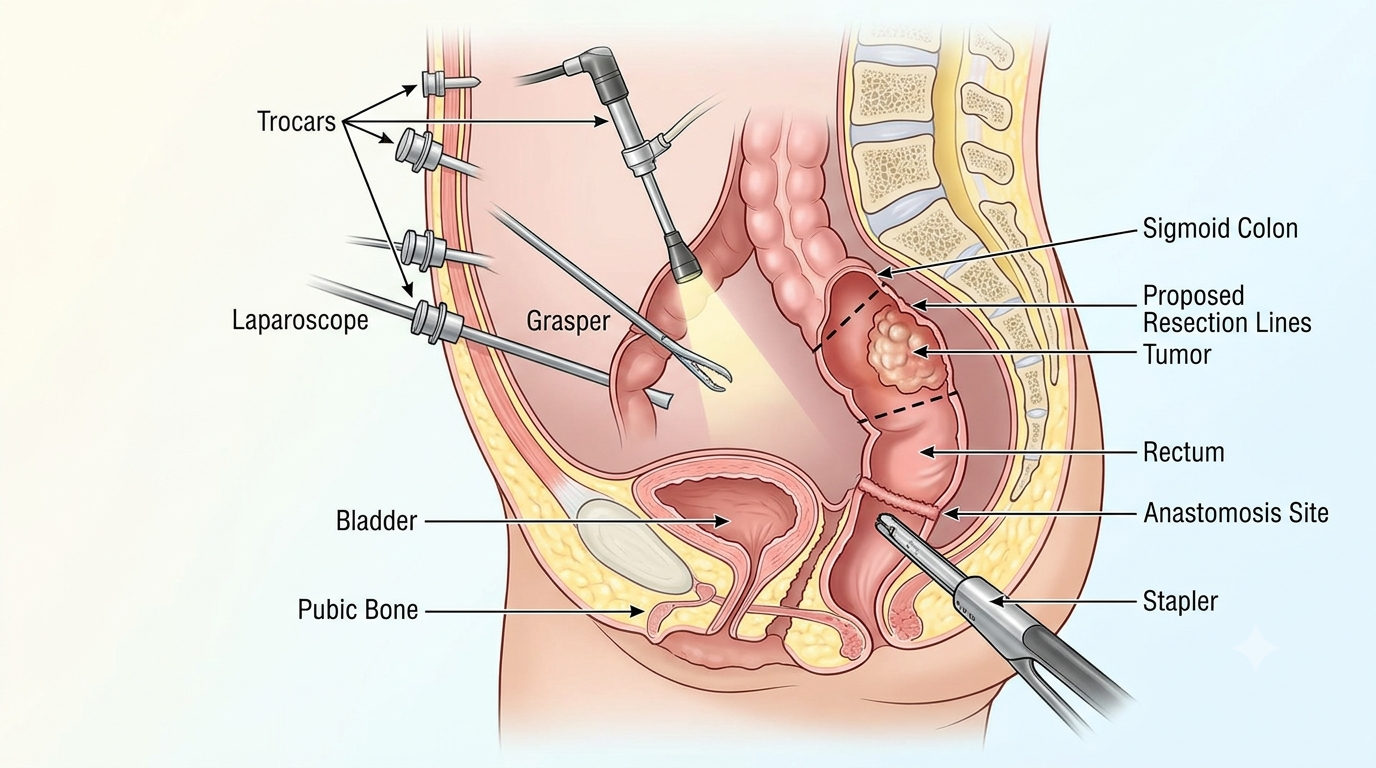
During the procedure, small incisions are made in the abdomen. A laparoscope, which is a thin tube with a camera, is inserted through one of the incisions. The camera provides a magnified view of the internal organs, allowing the surgeon to remove the affected part of the rectum with precision.
What Happens During the Procedure?
The patient is placed under general anesthesia. The surgeon makes several small incisions in the abdomen and inserts the laparoscope and other surgical instruments. The diseased section of the rectum is carefully detached and removed. The healthy ends of the rectum are then reconnected to restore normal bowel function.
Preparation
Patients are advised to follow a special diet and bowel preparation regimen before surgery. This ensures that the bowel is clean and reduces the risk of infection. Patients should discuss any medications they are taking with their doctor to determine if they need to be adjusted prior to surgery.
Risks and Complications
As with any surgery, there are risks involved, including infection, bleeding, and complications related to anesthesia. Specific to this procedure, there is a risk of bowel leakage where the two ends of the rectum are joined. Patients should discuss these risks with their surgeon.
What to Expect After the Procedure
Recovery from Laparoscopic Anterior Resection is typically quicker than open surgery. Patients can expect to stay in the hospital for a few days and may experience some discomfort, which can be managed with medication. Full recovery may take several weeks, during which patients should avoid strenuous activities.
Outcomes
The outcomes of Laparoscopic Anterior Resection are generally positive, with many patients experiencing a return to normal bowel function. The minimally invasive nature of the procedure typically results in less pain and quicker recovery times.
Alternatives
Alternatives to Laparoscopic Anterior Resection include open surgery or non-surgical treatments such as radiation or chemotherapy, depending on the stage and location of the disease.
About Dr. Vishu Jain
Dr. Vishu Jain is a Consultant in GI, HPB, Laparoscopic, and Liver Transplant Surgery with 10 years of experience. He specializes in minimally invasive and robotic surgeries to enhance patient outcomes in gastrointestinal procedures.
Consultation and Next Steps
If you have been diagnosed with rectal cancer or another condition requiring surgery, consult with a specialist to discuss your options and determine if Laparoscopic Anterior Resection is right for you.
Visit Dr. Vishu Jain
Bhopal
Phone: +917838948761
WhatsApp: 7838948761
Email: dr.vishujain@gmail.com
FAQs: Clear Answers for Patients
Q1.What is the recovery time for Laparoscopic Anterior Resection?
Recovery typically takes several weeks, with a shorter hospital stay compared to open surgery.
Q2.Are there dietary restrictions after the surgery?
Patients may need to follow a special diet post-surgery to aid recovery and minimize complications.
Q3.What are the signs of complications after the procedure?
Signs include fever, severe abdominal pain, or unusual bowel movements. Contact your doctor if you experience these.
Q4.Can this procedure be done for conditions other than cancer?
Yes, it is also used for conditions like diverticulitis and inflammatory bowel disease affecting the rectum.
Q5.How soon can normal activities be resumed?
Light activities can usually be resumed within a few weeks, but strenuous activities should be avoided until full recovery.
More health resources
Read more articles from Dr. Vishu Jain.
Read relevant articles