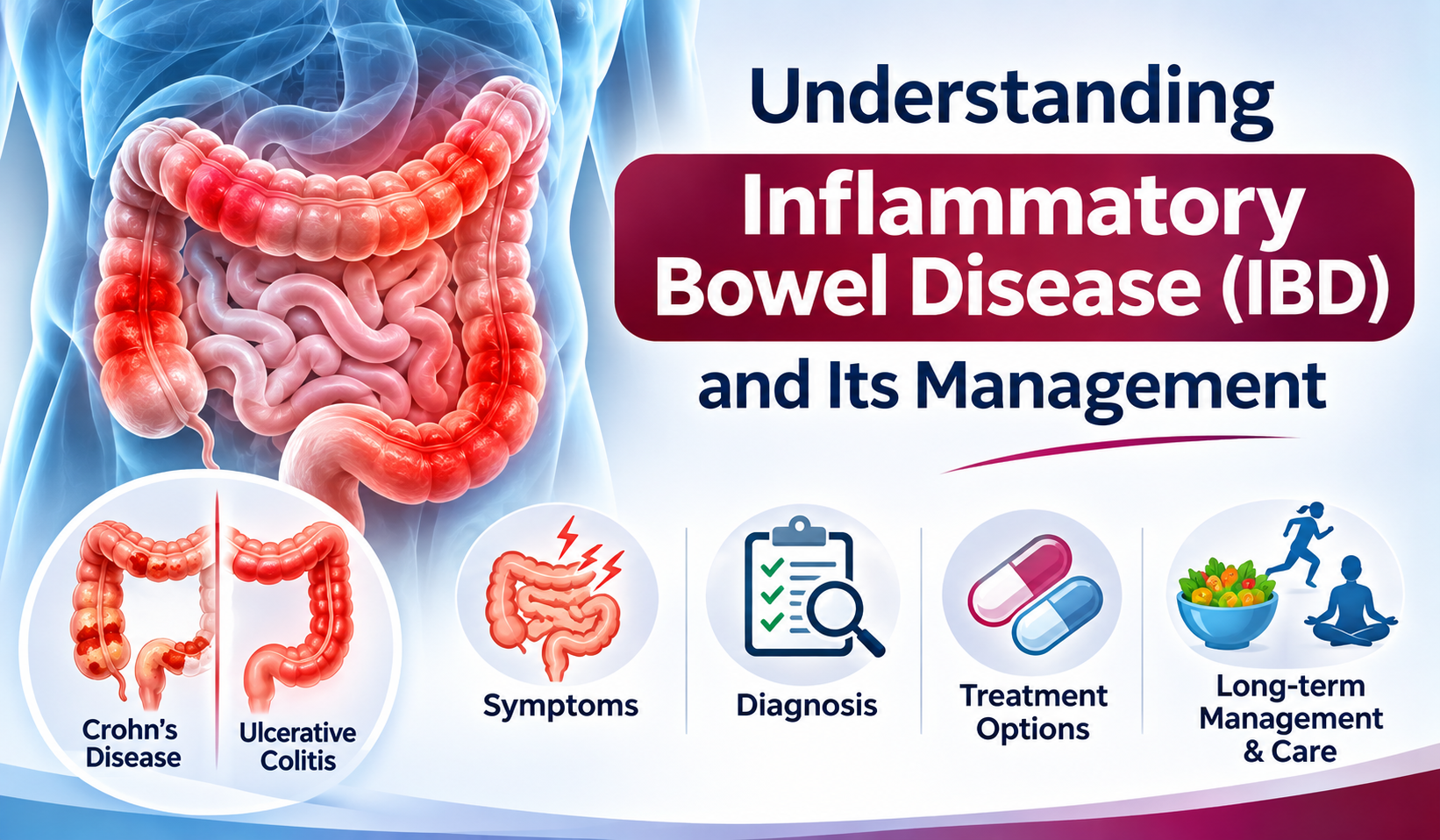
What is Inflammatory Bowel Disease (IBD)?
Inflammatory Bowel Disease (IBD) is a term primarily used to describe two conditions: Crohn's disease and ulcerative colitis. Both conditions are characterized by chronic inflammation of the gastrointestinal tract. Crohn’s disease can affect any part of the GI tract from the mouth to the anus, while ulcerative colitis primarily affects the colon and rectum. The inflammation caused by IBD can lead to symptoms such as diarrhea, abdominal pain, and fatigue.
Causes of Inflammatory Bowel Disease
The exact cause of IBD is not fully understood, but it is believed to result from an interplay of genetic, environmental, and immune system factors. Genetic predisposition plays a significant role, as individuals with a family history of IBD are at a higher risk. Environmental factors such as diet, smoking, and stress may also contribute to the development and exacerbation of the disease. Additionally, an abnormal immune response to the gut flora is thought to contribute to the chronic inflammation seen in IBD.
Symptoms of Inflammatory Bowel Disease
Individuals with IBD may experience a range of symptoms that vary in severity. Common symptoms include persistent diarrhea, abdominal pain, rectal bleeding, weight loss, and fatigue. Some patients might also experience extra-intestinal symptoms such as joint pain, eye inflammation, and skin disorders. The symptoms can vary between Crohn's disease and ulcerative colitis, and they may come and go in periods of flare-ups and remission.
When to See a Doctor
It is advisable to seek medical attention if you experience persistent digestive symptoms such as diarrhea, abdominal pain, or blood in your stool. Early diagnosis and management of IBD can help prevent complications and improve quality of life. Dr. Vishu Jain, a specialist in gastrointestinal surgery, can provide comprehensive care and guidance for managing IBD effectively.
Diagnosis of Inflammatory Bowel Disease
Diagnosing IBD involves a combination of clinical evaluation, laboratory tests, imaging studies, and endoscopic procedures. Blood tests may reveal anemia or signs of inflammation. Stool tests can help rule out infections. Imaging studies such as CT scans or MRI can provide detailed images of the intestines. Colonoscopy or sigmoidoscopy allows for direct visualization of the colon and rectum, and biopsies can be taken to confirm the diagnosis.
Treatment Options for Inflammatory Bowel Disease
The treatment of IBD aims to reduce inflammation, manage symptoms, and achieve and maintain remission. Treatment plans are individualized and may include medications such as aminosalicylates, corticosteroids, immunomodulators, and biologics. In some cases, surgical intervention may be necessary to remove damaged sections of the GI tract. Dr. Vishu Jain offers expertise in minimally invasive and robotic surgical techniques, which can be beneficial for patients requiring surgery.
Prevention and Aftercare
While there is no known way to prevent IBD, certain lifestyle modifications can help manage symptoms and reduce flare-ups. A balanced diet, regular exercise, and stress management can play a role in maintaining remission. Patients with IBD should have regular follow-ups with their healthcare provider to monitor their condition and adjust treatment as needed. Dr. Vishu Jain provides dedicated care to support patients throughout their treatment journey.
FAQs: Clear Answers for Patients
Q1.What are the main types of Inflammatory Bowel Disease?
The main types of IBD are Crohn's disease and ulcerative colitis, both causing inflammation in the digestive tract.
Q2.Can diet affect Inflammatory Bowel Disease?
Diet can influence symptoms of IBD, although it is not a direct cause. Certain foods may exacerbate symptoms during flare-ups.
Q3.Is surgery always required for IBD?
Surgery is not always required but may be necessary if medications do not control symptoms or complications arise.
Q4.How is IBD diagnosed?
IBD is diagnosed through clinical evaluation, blood tests, imaging studies, and endoscopic procedures like colonoscopy.
Q5.Can stress worsen IBD symptoms?
Yes, stress can exacerbate IBD symptoms, so stress management is an important aspect of managing the condition.
Have a question for Dr. Vishu Jain?
Reach out and the clinic will get back to you.
Get in touch