What is Esophageal Cancer?
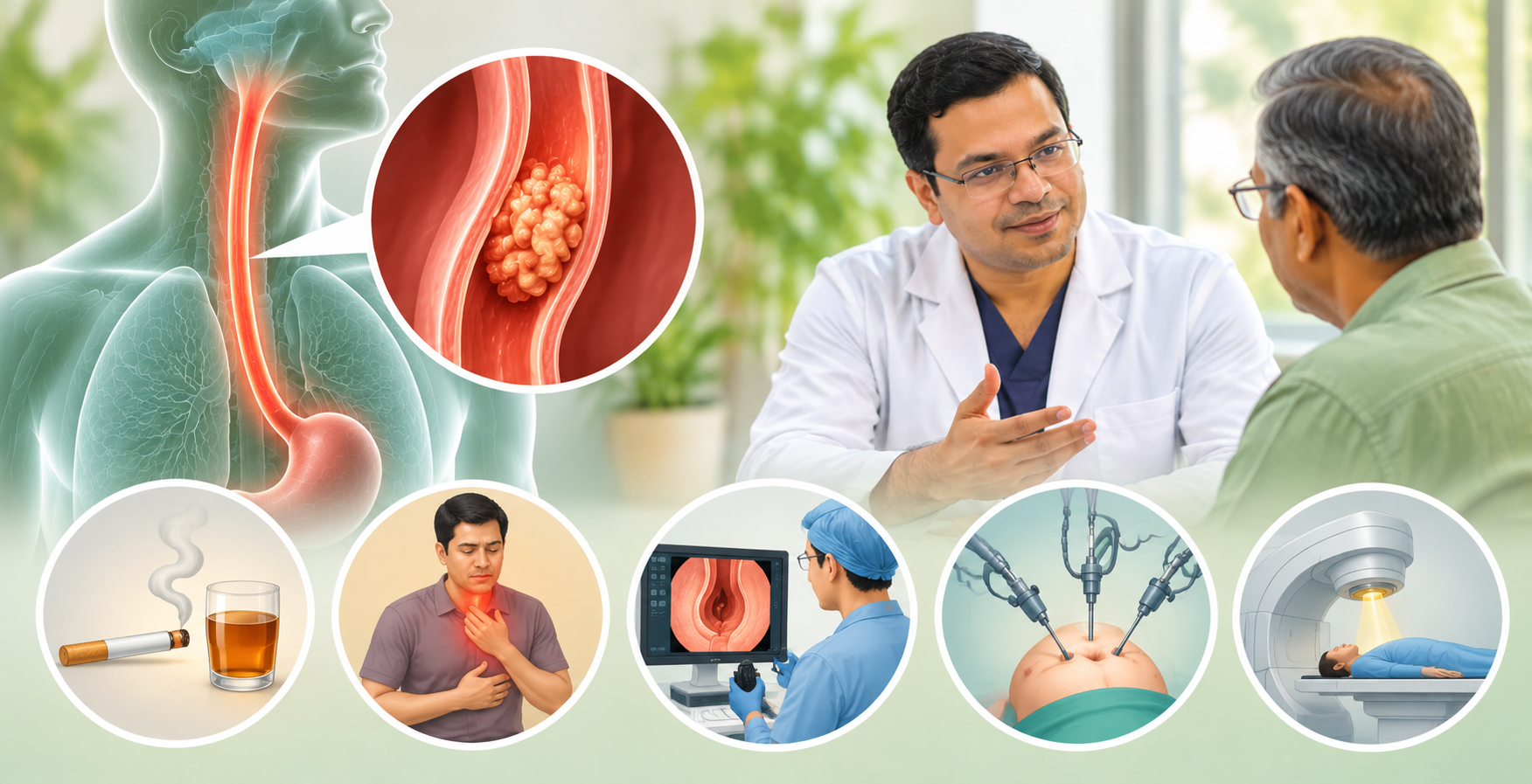
Esophageal cancer is a type of cancer that develops in the esophagus, the long, hollow tube that runs from the throat to the stomach. This tube is responsible for moving swallowed food and liquids into the stomach for digestion. Esophageal cancer typically begins in the cells lining the inside of the esophagus and can develop into two main types: adenocarcinoma and squamous cell carcinoma. Adenocarcinoma usually occurs in the lower part of the esophagus, while squamous cell carcinoma is more common in the upper and middle sections.
Causes of Esophageal Cancer
The exact cause of esophageal cancer is not known, but certain factors can increase the risk of developing this disease. These include chronic irritation of the esophagus, often due to gastroesophageal reflux disease (GERD), smoking, heavy alcohol consumption, and obesity. Other risk factors include a diet low in fruits and vegetables, and certain medical conditions such as Barrett's esophagus, which is a complication of GERD.
Symptoms of Esophageal Cancer
Esophageal cancer may not cause symptoms in its early stages, but as the disease progresses, individuals may experience difficulty swallowing (dysphagia), unintended weight loss, chest pain, pressure or burning, worsening indigestion or heartburn, and coughing or hoarseness. If any of these symptoms persist, it is important to consult a healthcare provider for further evaluation.
When to See a Doctor
Individuals experiencing persistent symptoms such as difficulty swallowing, unexplained weight loss, or chronic heartburn should seek medical advice. These symptoms can be indicative of esophageal cancer or other medical conditions that require attention. Early diagnosis and treatment can greatly impact the management of the disease.
Diagnosing Esophageal Cancer
Diagnosing esophageal cancer typically involves a series of tests and procedures. An endoscopy may be performed to visually examine the esophagus and obtain a tissue sample (biopsy) to check for cancer cells. Imaging tests such as a CT scan, PET scan, or an endoscopic ultrasound may also be used to determine the extent of the cancer and whether it has spread.
Treatment Options for Esophageal Cancer
Treatment for esophageal cancer depends on the stage of the disease, the patient's overall health, and personal preferences. Options may include surgery to remove part of the esophagus (esophagectomy), radiation therapy, chemotherapy, or a combination of these treatments. In some cases, targeted therapy or immunotherapy may be recommended to attack specific cancer cells or boost the immune system's response.
Prevention and Aftercare
While there is no guaranteed way to prevent esophageal cancer, certain lifestyle changes can reduce risk. These include maintaining a healthy weight, quitting smoking, limiting alcohol consumption, and eating a diet rich in fruits and vegetables. For those undergoing treatment, follow-up care is crucial to monitor recovery and manage any side effects. Regular check-ups and imaging tests can help detect any recurrence of cancer early.
FAQs: Clear Answers for Patients
Q1.What increases the risk of esophageal cancer?
Risk factors include chronic GERD, smoking, heavy alcohol use, and certain dietary habits.
Q2.What are common symptoms of esophageal cancer?
Common symptoms include difficulty swallowing, chest pain, weight loss, and persistent heartburn.
Q3.How is esophageal cancer diagnosed?
Diagnosis typically involves endoscopy, biopsy, and imaging tests such as CT or PET scans.
Q4.What treatment options are available for esophageal cancer?
Treatment may include surgery, chemotherapy, radiation therapy, and sometimes targeted therapy.
Q5.Can lifestyle changes help prevent esophageal cancer?
Yes, maintaining a healthy lifestyle, such as a balanced diet and avoiding tobacco and excessive alcohol, can reduce risk.
Have a question for Dr. Vishu Jain?
Reach out and the clinic will get back to you.
Get in touch