
Back to ResourcesPatient Education
Navigating Your Gastrointestinal Surgery Options: When Should You Seek Help?
Health education · AI-assisted
Dr. Vishu Jain•November 2, 2026•8 views
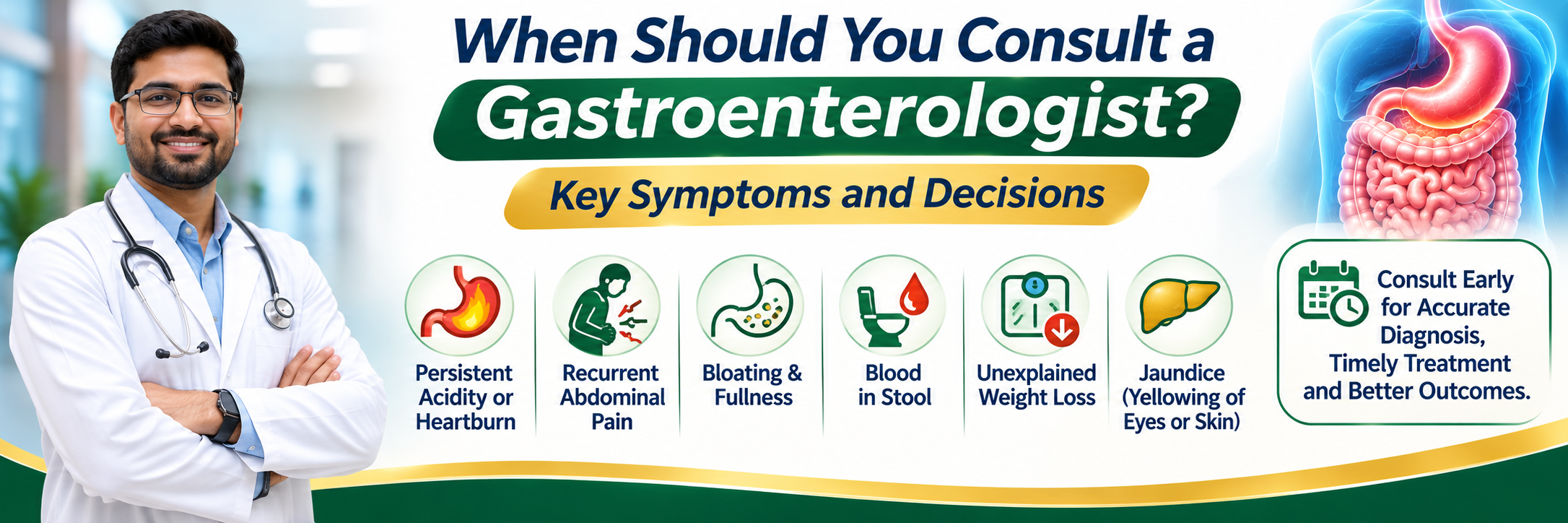
Gastrointestinal health is a crucial aspect of overall well-being. Understanding when surgical intervention might be necessary can help you make informed decisions about your health. Dr. Vishu Jain, a specialist in GI, HPB, laparoscopic, and liver transplant surgery, offers insights into common procedures and when you should consider consulting a specialist.
Understanding Your Symptoms: When to Start Worrying
Recognizing the symptoms that may indicate the need for surgical intervention is essential. Common gastrointestinal symptoms include persistent abdominal pain, unexplained weight loss, difficulty swallowing, and changes in bowel habits. It's crucial to differentiate between mild symptoms, which might resolve on their own, and more severe symptoms that could signal a significant health issue.
If you experience severe abdominal pain, vomiting, or jaundice, it's important to seek immediate medical attention. These symptoms might indicate conditions like gallstones, appendicitis, or gastrointestinal tumors, which often require surgical evaluation.
Common GI Surgeries Explained: What You Need to Know
Gastrointestinal surgeons perform a variety of procedures to address different conditions. Some of the most common surgeries include:
- Laparoscopic Cholecystectomy: This minimally invasive procedure is used to remove the gallbladder, often due to gallstones causing pain or infection. The laparoscopic approach offers benefits such as smaller incisions, reduced pain, and quicker recovery.
- Hernia Repairs: Hernias occur when an organ pushes through a weak spot in the abdominal wall. Surgeons can repair hernias using laparoscopic, robotic, or open techniques, depending on the specific case.
- Laparoscopic Appendicectomy: This procedure involves removing the appendix, typically due to appendicitis. The laparoscopic method is favored for its less invasive nature and faster recovery time.
Understanding the purpose and expected outcomes of these procedures can help alleviate anxiety and prepare you for what to expect.
Deciding When to Consult a Specialist: Key Considerations
Deciding to consult a GI surgeon involves several considerations. Persistent or worsening symptoms, such as severe abdominal pain or unexplained gastrointestinal bleeding, often warrant a specialist's evaluation. Additionally, if you have complex conditions like colorectal cancer or liver tumors, seeking a second opinion can provide clarity and peace of mind.
It's important to remember that early intervention can significantly improve outcomes, so don't hesitate to seek expert advice if you're concerned about your symptoms.
Exploring Your Options: Comparing Surgical Procedures
When it comes to surgical interventions, understanding your options is crucial. Laparoscopic surgery involves smaller incisions and typically results in faster recovery compared to open surgery. Robotic surgery, on the other hand, offers enhanced precision and flexibility, which can be beneficial for complex procedures.
Considerations for choosing the right surgical approach include the specific condition being treated, your overall health, and the expertise of your surgeon. Discussing these factors with your doctor can help you make the best decision for your health.
Questions to Ask During Your Consultation
Preparing for your consultation with a GI surgeon can help you gain a clearer understanding of your diagnosis and treatment options. Essential questions to consider include:
- What is the recommended procedure for my condition?
- What are the risks and benefits of this procedure?
- What should I expect during recovery?
- How can I prepare for surgery?
Open communication with your surgeon about your concerns and preferences ensures that you are fully informed and comfortable with the chosen treatment plan.
Post-Surgery: What to Expect and Monitor
After surgery, understanding what to expect can help you manage your recovery effectively. Common post-operative care instructions include managing pain, monitoring for signs of infection, and gradually resuming normal activities as advised by your surgeon.
Recovery timelines vary depending on the procedure, but it's important to follow your surgeon's guidance and attend follow-up appointments to ensure optimal healing. If you experience unusual symptoms, such as fever or severe pain, contact your healthcare provider promptly.
For more information or to discuss your symptoms, consider consulting a specialist. Dr. Vishu Jain and the team at Gastrocare Hospital are here to provide expert care and support for your gastrointestinal health.
Clinic Location & Consultation Information
## Visit Dr. Vishu Jain
Bhopal
Phone: +917838948761
WhatsApp: 7838948761
Email: dr.vishujain@gmail.com
More health resources
Read more articles from Dr. Vishu Jain.
Read relevant articlesMore articles
Understanding Laparoscopic Esophagectomy
Laparoscopic esophagectomy is a minimally invasive surgical procedure used to remove part or all of the esophagus, often due to cancer or severe damage. Th
Read more →Spotting the Signs: When to Consult a Gastroenterologist for Your Health
Learn when to consult a gastroenterologist for persistent acidity, abdominal pain, bloating, blood in stool, jaundice, or unexplained weight loss.
Read more →What Is Laparoscopic Gastrectomy?
Learn what laparoscopic gastrectomy is, how minimally invasive stomach removal surgery is performed, its benefits, risks, and recovery process.
Read more →What is a Liver Transplant?
A liver transplant is a surgical procedure that involves replacing a diseased liver with a healthy one from a donor. This treatment is often recommended fo
Read more →