
Back to ResourcesPatient Education
Do GI Doctors Perform Surgery? Understanding Their Vital Role in Your Care
Health education · AI-assisted
Dr. Vishu Jain•November 10, 2026•6 views
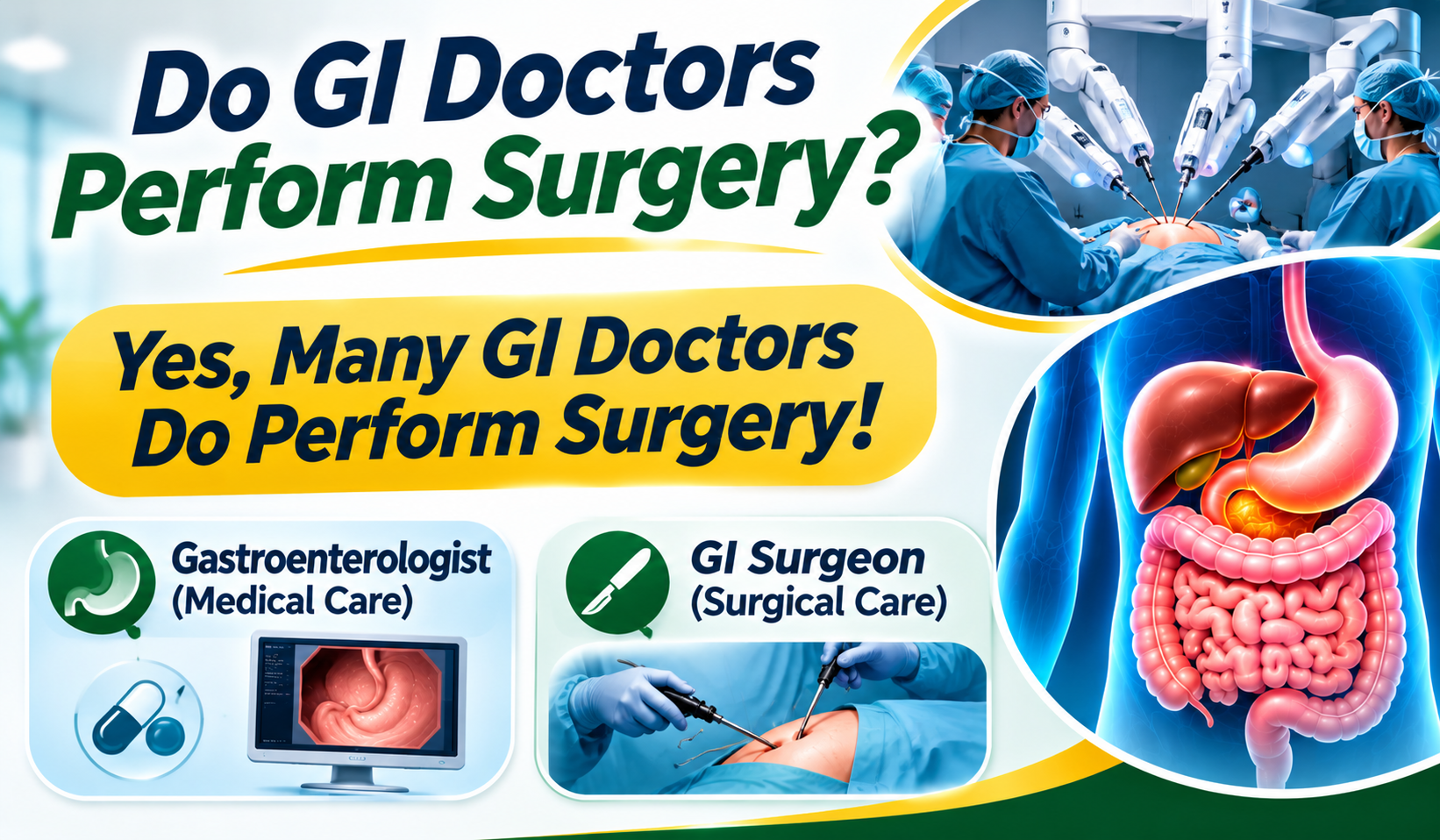
Recognizing the Need for Surgical Care
Gastrointestinal (GI) disorders can present a variety of symptoms that may require surgical intervention. Common warning signs include persistent abdominal pain, unexplained weight loss, chronic nausea, vomiting, and changes in bowel habits. It's crucial to recognize these signs early and consult a GI doctor, such as Dr. Vishu Jain, who specializes in diagnosing and treating conditions like gallstones, hernias, and colorectal cancer. Timely evaluation is essential as it can prevent complications and lead to better outcomes.
Understanding GI Symptoms and Their Implications
GI disorders often manifest through symptoms like heartburn, bloating, and difficulty swallowing. These symptoms can indicate underlying conditions that might necessitate surgical treatment. For instance, chronic heartburn could be a sign of Gastroesophageal Reflux Disease (GERD), which sometimes requires surgical intervention. Patient stories often highlight how addressing these symptoms early with a GI specialist can lead to effective management and relief.
Evaluating Your Condition: The Role of Diagnostic Testing
Diagnostic tests play a critical role in evaluating GI conditions. Common tests include endoscopies, ultrasounds, and CT scans, which help in understanding the nature and extent of the disorder. Dr. Jain uses these tests to inform surgical decisions, ensuring that any intervention is necessary and beneficial. A comprehensive assessment is vital to tailor the treatment plan to each patient's unique needs.
What to Expect from Your GI Consultation
During a GI consultation, Dr. Jain focuses on understanding the patient's symptoms and medical history. The consultation typically involves discussing potential treatment plans, which may include both surgical and non-surgical options. Dr. Jain's approach aims to ensure patient comfort and understanding, emphasizing a collaborative decision-making process to choose the best course of action.
Minimally Invasive Techniques: The Future of GI Surgery
Advancements in GI surgery have led to the development of minimally invasive techniques such as laparoscopic and robotic surgeries. These methods offer significant benefits, including reduced pain, shorter hospital stays, and quicker recovery times. Dr. Jain is skilled in these techniques, providing patients with effective treatment options that enhance recovery and outcomes. Case examples highlight the success of these advanced methods in treating complex conditions.
Post-Operative Care and Recovery
After GI surgery, patients can expect a recovery process that involves careful monitoring and support. Dr. Jain emphasizes the importance of follow-up care to ensure a smooth recovery. Patients are provided with resources for pain management and rehabilitation, aiding in their return to normal activities. Ongoing support is crucial to address any concerns and promote healing.
When to Reach Out Again: Knowing Your Follow-Up Options
Post-surgery, it's important to know when to reach out to your GI doctor. Signs that may indicate the need for follow-up care include persistent pain, changes in symptoms, or new health concerns. Effective communication with Dr. Jain ensures that any issues are promptly addressed. Patients are encouraged to continue their education on gastrointestinal health, utilizing resources for ongoing support and management.
To know more, consult a specialist.
Clinic Location & Consultation Information
## Visit Dr. Vishu Jain
Bhopal
Phone: +917838948761
WhatsApp: 7838948761
Email: dr.vishujain@gmail.com
More health resources
Read more articles from Dr. Vishu Jain.
Read relevant articlesMore articles
Understanding Laparoscopic Esophagectomy
Laparoscopic esophagectomy is a minimally invasive surgical procedure used to remove part or all of the esophagus, often due to cancer or severe damage. Th
Read more →Spotting the Signs: When to Consult a Gastroenterologist for Your Health
Learn when to consult a gastroenterologist for persistent acidity, abdominal pain, bloating, blood in stool, jaundice, or unexplained weight loss.
Read more →What Is Laparoscopic Gastrectomy?
Learn what laparoscopic gastrectomy is, how minimally invasive stomach removal surgery is performed, its benefits, risks, and recovery process.
Read more →What is a Liver Transplant?
A liver transplant is a surgical procedure that involves replacing a diseased liver with a healthy one from a donor. This treatment is often recommended fo
Read more →