
Back to ResourcesGastrointestinal (Gi) Surgery
Recognizing the Signs: When to Consult a Gastroenterologist
Health education · AI-assisted
Dr. Vishu Jain•October 22, 2026•0 views
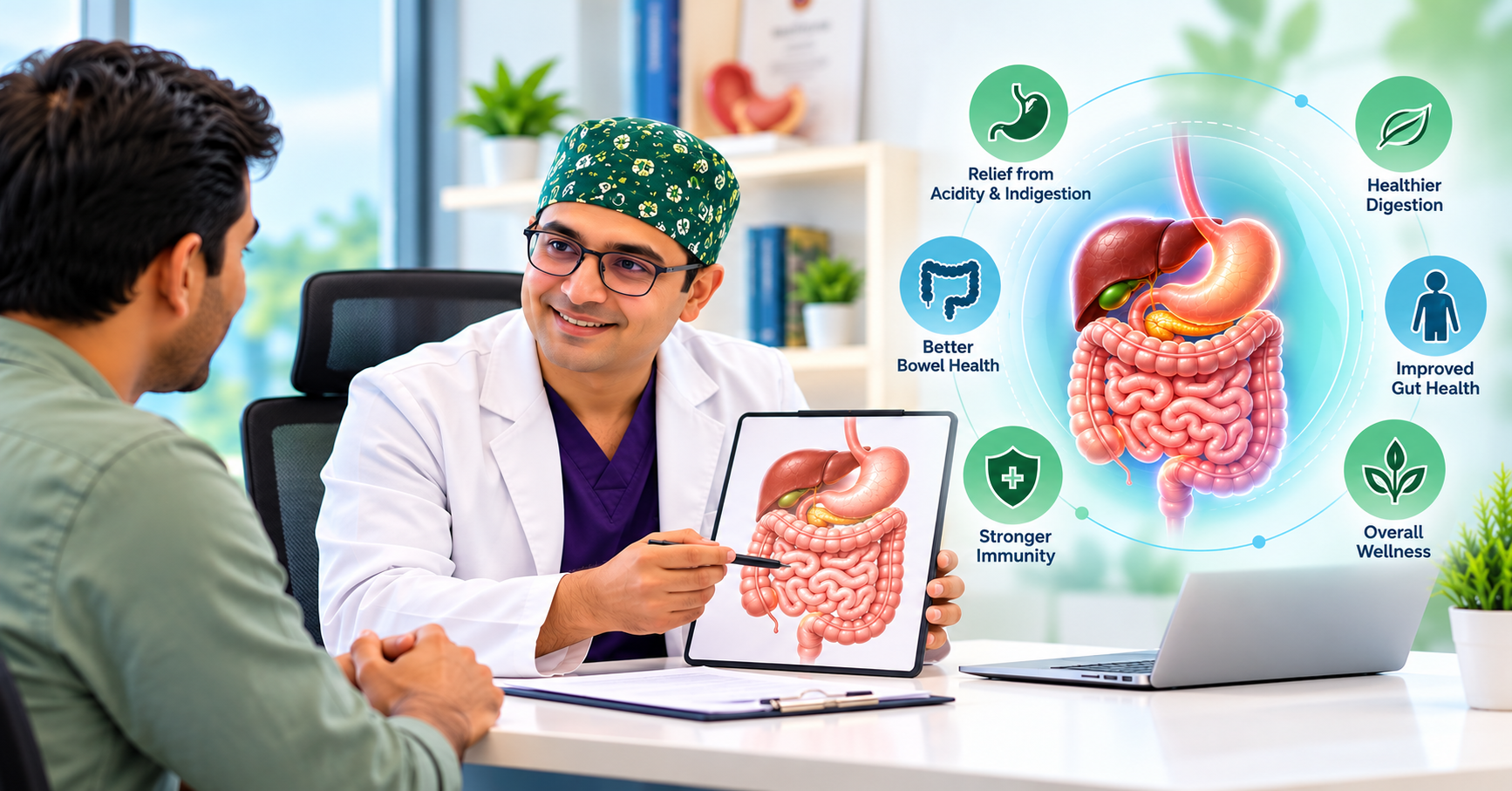
Understanding when to consult a gastroenterologist can be crucial for maintaining your gastrointestinal health. Dr. Vishu Jain, an experienced consultant in GI, HPB, laparoscopic, and liver transplant surgery, emphasizes the importance of recognizing symptoms early to ensure effective treatment and management.
Warning Signs: Key Symptoms to Watch For
Gastrointestinal issues can manifest in various ways, and recognizing these symptoms is the first step in addressing potential problems. Common symptoms include persistent abdominal pain, unexplained weight loss, changes in bowel habits, and blood in stool. These signs can indicate conditions ranging from mild digestive disorders to more serious issues like colorectal cancer.
Red flags that necessitate immediate medical attention include severe abdominal pain, persistent vomiting, and jaundice. It's important to note that symptoms can vary among different age groups, with older individuals often experiencing more severe manifestations. Early detection of these symptoms can lead to better outcomes and prevent complications.
Interpreting Your Symptoms: What They Could Mean
Understanding what your symptoms might indicate is essential for seeking the right care. Abdominal pain, for instance, could be a sign of gallstones, appendicitis, or even inflammatory bowel disease. Changes in bowel habits might suggest conditions like irritable bowel syndrome or colorectal cancer.
Patient history plays a vital role in interpreting symptoms accurately. Factors such as family history, lifestyle, and previous medical conditions can provide valuable insights into the underlying causes. In some cases, symptoms may point to serious issues like gastrointestinal cancers or obstructions, highlighting the need for timely medical consultation.
Evaluating Your Condition: Diagnostic Procedures Explained
When you visit a gastroenterologist, several diagnostic procedures may be recommended to evaluate your condition. Common tests include endoscopy, colonoscopy, and imaging studies like CT scans and MRIs. These procedures help in visualizing the gastrointestinal tract and identifying any abnormalities.
During consultations, you can expect a thorough examination and discussion about your symptoms and medical history. Imaging and lab tests play a significant role in diagnosing conditions accurately and formulating an effective treatment plan.
Treatment Options: How Conditions Are Managed
Treatment for gastrointestinal conditions can vary from conservative management to surgical interventions. Dr. Vishu Jain specializes in minimally invasive and robotic surgeries, which offer benefits like reduced recovery time and fewer complications. Conditions like gallstones and hernias may be treated with laparoscopic or robotic surgery, depending on the severity.
Personalized treatment plans are crucial, as they consider the individual's specific needs and health status. This approach ensures that patients receive the most appropriate care for their condition, whether it's medication, lifestyle changes, or surgical intervention.
The Importance of Follow-Up Care
Follow-up care is an integral part of managing gastrointestinal health. Regular appointments allow for monitoring of the condition, assessing the effectiveness of treatment, and making necessary adjustments. Ongoing care can prevent complications and ensure long-term health.
Patients are encouraged to maintain a healthy lifestyle post-treatment, which includes a balanced diet, regular exercise, and avoiding harmful habits like smoking and excessive alcohol consumption. These measures can significantly contribute to maintaining gastrointestinal health.
When to Seek Emergency Care
Certain symptoms require urgent medical attention, such as severe abdominal pain, persistent vomiting, or signs of internal bleeding. Understanding the difference between urgent and non-urgent cases is vital for seeking appropriate care.
In Bhopal, resources for immediate care include emergency departments at local hospitals and clinics. It's important to have a plan in place for accessing these services when needed.
To know more, consult a specialist. Dr. Vishu Jain and his team at Gastrocare Hospital are dedicated to providing comprehensive care for all gastrointestinal concerns.
Dr Vishu Jain
Gastrocare Hospital, Main Rd No. 3, near Personal Branch SBI, E-3, Arera Colony, Bhopal, Madhya Pradesh 462016