Back to ResourcesGastrointestinal (Gi) Surgery
Introduction
Health education · AI-assisted
Dr. Vishu Jain•October 21, 2026•0 views
Laparoscopic Nissen Fundoplication: A Comprehensive Guide
Laparoscopic Nissen Fundoplication is a surgical procedure designed to treat gastroesophageal reflux disease (GERD). This guide provides an in-depth look at what the procedure entails, when it is recommended, and what patients can expect before, during, and after surgery.
What is Laparoscopic Nissen Fundoplication?
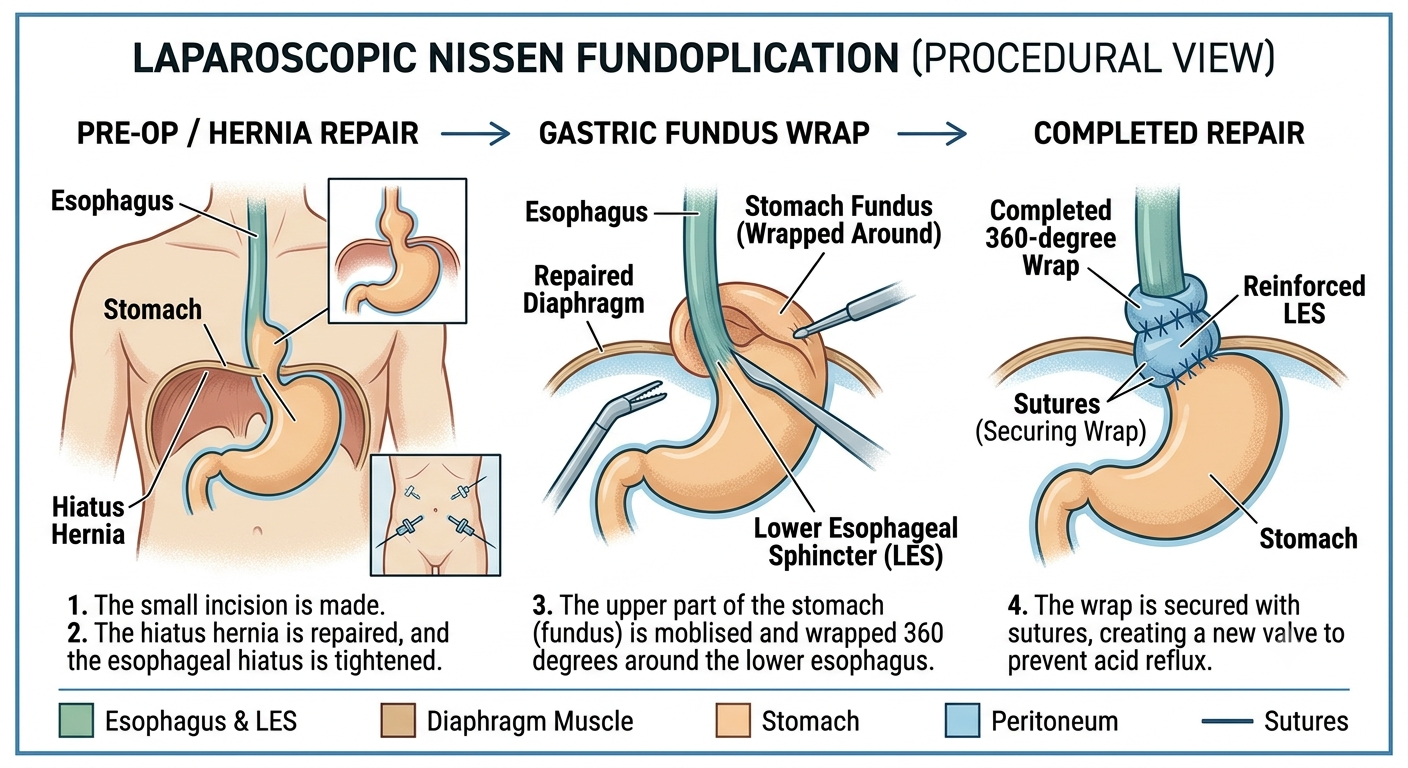
Laparoscopic Nissen Fundoplication is a minimally invasive surgery performed to reinforce the valve between the esophagus and stomach, which prevents acid reflux. The procedure involves wrapping the upper part of the stomach around the lower esophagus to strengthen the sphincter muscle.
Why is it Used?
The primary purpose of this surgery is to treat GERD, a condition where stomach acid frequently flows back into the esophagus, causing irritation. It is recommended for patients who do not respond well to medication or lifestyle changes aimed at controlling acid reflux.
When is it Recommended?
This procedure is typically recommended for patients with severe GERD symptoms that do not improve with medication. It is also considered for those who experience complications like esophagitis or Barrett's esophagus, or for patients who wish to avoid long-term medication use.
When is it Not Appropriate?
Laparoscopic Nissen Fundoplication may not be suitable for patients with significant esophageal motility disorders, severe obesity, or those with poor surgical risk due to other medical conditions. A thorough evaluation by a specialist is necessary to determine suitability.
How Does it Work?
During the procedure, a laparoscope (a thin tube with a camera) is inserted through small incisions in the abdomen. The surgeon wraps the top of the stomach around the lower esophagus and stitches it in place. This creates a new valve mechanism, reducing acid reflux.
What Happens During the Procedure?
The surgery is performed under general anesthesia and typically takes about 2 to 3 hours. Patients are usually required to stay in the hospital overnight for observation. The laparoscopic approach involves several small incisions, resulting in less postoperative pain and quicker recovery compared to open surgery.
Preparation for Surgery
Patients are advised to undergo a series of preoperative tests, including blood tests and imaging studies, to assess their overall health. Fasting is required for several hours before the surgery, and specific instructions regarding medication use will be provided by the healthcare team.
Risks and Complications
As with any surgical procedure, there are potential risks and complications. These may include infection, bleeding, difficulty swallowing, or gas-bloat syndrome. However, complications are relatively rare, and the surgery is generally considered safe.
What to Expect After Surgery
Postoperative recovery involves managing pain and gradually reintroducing food. Patients may experience mild discomfort and bloating, which typically resolve within a few weeks. Most individuals can return to normal activities within 2 to 4 weeks.
Expected Outcomes
The majority of patients experience significant relief from GERD symptoms following the procedure. The success rate is high, and many patients can reduce or eliminate their need for antacid medications.
Alternatives to Surgery
Before opting for surgery, patients may explore other treatments such as lifestyle modifications, dietary changes, and medications. Endoscopic procedures are also available for certain cases of GERD.
About Dr. Vishu Jain
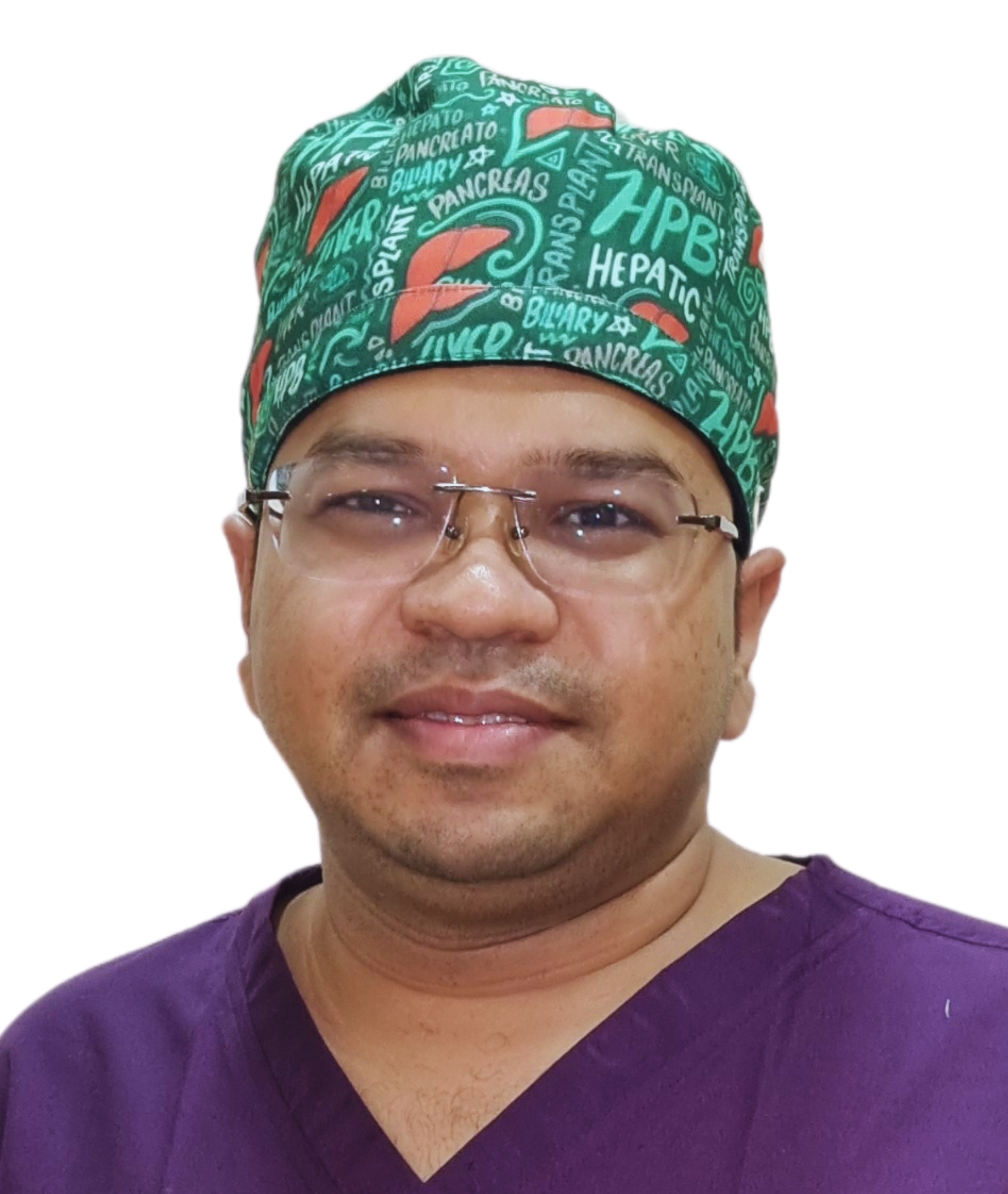
Dr. Vishu Jain is a Consultant specializing in GI, HPB, Laparoscopic, and Liver Transplant Surgery. With 10 years of experience, Dr. Jain is skilled in minimally invasive and robotic surgeries, enhancing patient outcomes in gastrointestinal procedures.
Consultation and Next Steps
If you are experiencing persistent GERD symptoms, consult a specialist to discuss your treatment options. Dr. Vishu Jain is available for consultations at Gastrocare Hospital, Bhopal.
1. How long does recovery take after Laparoscopic Nissen Fundoplication?
Recovery typically takes about 2 to 4 weeks, with most patients returning to normal activities during this period.
2. Can Laparoscopic Nissen Fundoplication be reversed?
While the procedure is designed to be permanent, reversal is possible in certain cases, though it may involve additional risks.
3. Will I need to follow a special diet after surgery?
Yes, a gradual reintroduction of food is recommended, starting with liquids and soft foods before progressing to a regular diet.
4. Are there any long-term effects of the surgery?
Most patients experience long-term relief from GERD symptoms, though some may encounter difficulty swallowing or gas-bloat syndrome.
5. Is Laparoscopic Nissen Fundoplication covered by insurance?
Coverage varies by insurance provider and plan. It is advisable to check with your insurance company regarding specific coverage details.
Have a question for Dr. Vishu Jain?
Reach out and the clinic will get back to you.
Get in touch